Why Your Driveway Material Choice Matters More Than You Think
Choosing the right material for your driveway is one of those decisions that seems simple at first—but quickly becomes more complex the deeper you look. Your driveway isn’t just a place to park your car. It plays a major role in your home’s curb appeal, impacts your property value, and influences how much time and money you’ll spend on maintenance over the years.
Many homeowners underestimate how much wear and tear a driveway experiences. From daily vehicle traffic to exposure to sun, rain, snow, and temperature swings, your driveway is constantly under stress. Selecting the wrong material can lead to cracking, fading, drainage issues, and costly repairs much sooner than expected.
That’s why understanding the differences between asphalt and concrete is so important. Each material has its own advantages depending on your climate, budget, and long-term goals. Some homeowners prioritize affordability and quick installation, while others focus on durability and visual appeal. There’s no one-size-fits-all answer—but there is a best choice for your specific situation.
In this guide, we’ll take a deep dive into everything you need to consider so you can make a confident, informed decision.
Understanding the Core Differences Between Asphalt and Concrete
At their core, asphalt and concrete are built very differently, and those differences affect everything from installation to long-term performance.
Asphalt is a flexible material made by combining aggregates like crushed stone and sand with a petroleum-based binder. It is heated to high temperatures before being laid down and compacted. This flexibility is one of its biggest advantages. Asphalt paving can expand and contract slightly with temperature changes, which helps reduce the likelihood of immediate cracking.
Concrete, by contrast, is a rigid material made from cement, water, and aggregates. It is poured in liquid form and gradually hardens through a chemical curing process. Because of its rigidity, concrete forms a strong and stable surface that can handle heavy loads, but it is more susceptible to cracking if the ground beneath it shifts.
Another important difference lies in installation and usability. Asphalt driveways can usually be used within 24–48 hours after installation, making them a convenient option for homeowners who need a quick turnaround. Concrete requires a longer curing period—often up to 7 days—before it reaches sufficient strength for regular use.
Homeowners who choose concrete services often do so because of the material’s clean appearance and long-term durability. Meanwhile, asphalt appeals to those who value speed, flexibility, and lower upfront costs.
How to Choose the Right Material Based on Your Climate

Climate is one of the most important—and often overlooked—factors when choosing a driveway material. The way asphalt and concrete respond to temperature changes can significantly impact their longevity.
In colder climates, asphalt tends to perform better. Freeze-thaw cycles can cause the ground beneath your driveway to expand and contract. Because asphalt is flexible, it can absorb some of this movement without cracking as easily. This is why many homeowners rely on an asphalt paving service when living in regions with harsh winters.
Concrete, on the other hand, is better suited for warmer climates. It reflects sunlight rather than absorbing it, which helps it maintain its structure even in high temperatures. A knowledgeable concrete contractor will often recommend concrete for areas that experience long, hot summers because it is less likely to soften or deform.
However, climate considerations go beyond just temperature. You should also think about rainfall, humidity, and even the amount of shade your driveway receives. For example, areas with heavy rain require proper drainage regardless of material choice. Poor drainage can cause both asphalt and concrete to deteriorate more quickly.
Taking the time to evaluate your local environment—and discussing it with a professional—can help you avoid costly mistakes.
Cost Breakdown: Upfront vs Long-Term Investment
When it comes to cost, many homeowners focus primarily on the initial price. While this is important, it’s only part of the equation.
Asphalt is generally more affordable upfront. This makes it an appealing option for homeowners who want a functional driveway without a significant initial investment. Many paving services recommend asphalt for those working within a tighter budget or needing a quick installation.
Concrete, however, comes with a higher initial price tag. The materials and labor involved in pouring and finishing concrete are more expensive. But this doesn’t necessarily mean it’s the more costly option in the long run.
A reputable paving contractor will often explain that concrete can offer better long-term value due to its durability and lower maintenance requirements. While asphalt may require more frequent repairs and resurfacing, concrete can last decades with relatively minimal upkeep.
It’s also important to consider hidden costs. Asphalt requires periodic sealing, while concrete repairs—when needed—can be more expensive. By looking at the full lifecycle cost rather than just the installation price, you’ll get a clearer picture of which option is truly more economical for your situation.
Maintenance Requirements You Need to Plan For
Every driveway requires maintenance, but the type and frequency of that maintenance vary significantly between materials.
Asphalt requires consistent care to maintain its appearance and structural integrity. One of the most important maintenance tasks is sealcoating, which helps protect the surface from UV rays, water damage, and oil spills. Without regular sealing, asphalt can dry out, become brittle, and develop cracks.
In addition to sealing, asphalt paving maintenance includes filling cracks, patching potholes, and ensuring proper drainage. These tasks are relatively straightforward but need to be done regularly to prevent larger issues.
Concrete requires less frequent maintenance, but it still needs attention. Cleaning is important to prevent stains from oil, dirt, and debris. Sealing the surface can help protect it from moisture and extend its lifespan.
One advantage of concrete is that it doesn’t require the same level of routine upkeep as asphalt. However, when problems do occur—such as cracks—they can be more difficult and expensive to repair.
Ultimately, the best approach is to stay proactive. Regular inspections and timely maintenance can significantly extend the life of your driveway, regardless of the material.
Durability and Lifespan: Which Material Lasts Longer?
Durability is a major factor when choosing between asphalt and concrete, and each material has its own strengths.
Concrete is known for its longevity. With proper installation and care, a concrete driveway can last 30 years or more. Homeowners who invest in professional concrete services often appreciate the material’s ability to handle heavy loads and resist wear over time.
Asphalt typically has a shorter lifespan, averaging around 15–20 years. However, its flexibility can make it more resilient in certain conditions. Rather than cracking under pressure, asphalt is more likely to develop minor surface issues that can be repaired relatively easily.
A skilled paving contractor can make a significant difference in how long your driveway lasts. Proper base preparation, drainage, and installation techniques are critical for both materials. Even the best material can fail prematurely if it’s installed incorrectly.
If longevity is your top priority, concrete may be the better choice. But if you’re willing to perform regular maintenance, asphalt can still provide many years of reliable use.
Curb Appeal: Choosing a Driveway That Enhances Your Home
Your driveway plays a major role in your home’s overall appearance. It’s one of the first things people notice, and it can either enhance or detract from your property’s curb appeal.
Concrete offers a wide range of design options. It can be stamped, colored, or textured to create a custom look that complements your home. Many homeowners work with a local paving company to design unique patterns or finishes that elevate their property’s aesthetic.
Asphalt, while more limited in customization, still provides a clean and polished appearance. Its dark color creates a strong contrast with landscaping and lighter exterior colors, giving your home a sharp, modern look.
A professional concrete contractor may also suggest combining materials for added visual interest. For example, using concrete borders or accents alongside asphalt can create a distinctive and attractive design.
When choosing a material, consider how it fits with your home’s style and the surrounding environment. A well-designed driveway can significantly boost your home’s value and make a lasting impression.
Installation Timeline: What to Expect From Start to Finish
Understanding the installation process can help you plan your project and avoid unexpected delays.
Asphalt is known for its quick installation. Once the base is prepared, the material can be laid and compacted in a matter of hours. An experienced asphalt paving service can often complete the entire project within one to two days.
Concrete installation takes longer due to the curing process. After the material is poured and finished, it must be left undisturbed for several days to reach full strength. Reliable paving services will emphasize the importance of allowing adequate curing time to ensure durability.
Preparation is a critical step for both materials. This includes removing existing surfaces, grading the area, and installing a stable base. Skipping or rushing this step can lead to problems down the line, regardless of the material used.
By understanding the timeline and planning accordingly, you can ensure a smoother installation process and better results.
How to Find the Right Professional for Your Driveway Project

Choosing the right professional is just as important as choosing the right material.
Start by researching a local driveway contractor with strong reviews and a proven track record. Ask for references and take the time to view previous projects if possible.
Working with a local paving company offers several advantages. They are familiar with regional conditions and can recommend the best solutions for your area. They are also more likely to be available for follow-up maintenance or repairs.
Be sure to ask detailed questions about the project, including materials, timeline, and warranty options. A reputable contractor will be transparent and willing to explain their process.
Avoid choosing based solely on price. While it’s important to stay within budget, the cheapest option isn’t always the best. Investing in quality workmanship can save you money in the long run.
Environmental Impact: Which Option Is More Sustainable?
Sustainability is becoming an increasingly important consideration for homeowners, especially as more people look for ways to reduce their environmental footprint without compromising functionality. Your driveway may seem like a small piece of the puzzle, but the materials you choose can have a lasting impact on resource use, energy consumption, and waste over time.
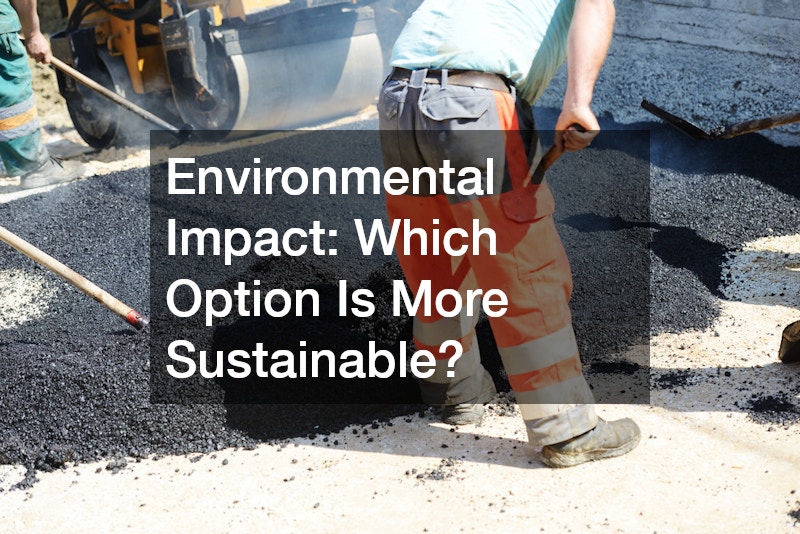
Asphalt has the advantage of being highly recyclable. In fact, it is one of the most recycled materials in the construction industry. Many modern asphalt paving projects incorporate reclaimed asphalt pavement (RAP), which reduces the need for new raw materials and minimizes construction waste. This reuse not only conserves natural resources but also lowers the energy required during production and installation.
Concrete, while less recyclable, offers long-term durability that can offset its environmental footprint. Because it can last for decades with minimal maintenance, it reduces the frequency of replacement and the associated resource use. Many concrete services now use eco-friendly production methods, such as incorporating supplementary cementitious materials like fly ash or slag, which help reduce carbon emissions during manufacturing.
When evaluating sustainability, consider both the production process and the lifespan of the material. A longer-lasting driveway may require fewer replacements, reducing overall resource consumption and environmental disruption. It’s also worth factoring in maintenance needs, as frequent repairs or treatments can add to the overall environmental impact.
Making an environmentally conscious choice doesn’t mean sacrificing quality—it simply means taking a broader view of how your decision affects both your property and the environment over time.
Common Mistakes Homeowners Make (And How to Avoid Them)
Even well-intentioned homeowners can make mistakes when installing a driveway.
One of the most common errors is focusing solely on upfront cost. While affordability is important, it’s essential to consider long-term performance. A knowledgeable paving contractor can help you weigh the pros and cons of each option.
Another mistake is neglecting proper preparation. Without a stable base and proper drainage, both asphalt and concrete can fail prematurely. Hiring a reliable local driveway contractor ensures that these critical steps are handled correctly.
Finally, many homeowners overlook maintenance. Regular upkeep is essential for extending the life of your driveway and preventing costly repairs.
By avoiding these common pitfalls, you can ensure a successful project and a driveway that stands the test of time.
Making the Right Choice for Your Home and Long-Term Needs
Choosing between asphalt and concrete ultimately comes down to your priorities. Each material offers unique benefits, and the best choice depends on your specific needs, environment, and budget.
By taking the time to understand the differences, plan for maintenance, and work with experienced professionals, you can make a decision that enhances your home and provides lasting value.