
Selling a home is one of the biggest financial transactions most people will ever make, and yet many sellers unknowingly leave money on the table by overlooking the improvements that matter most to buyers. It’s easy to assume that boosting your home’s value requires a massive renovation budget, but that’s rarely the case. In reality, the smartest sellers focus their time and money on a handful of strategic, high-impact upgrades rather than trying to modernize every inch of the property.
The key is understanding which projects buyers and appraisers actually notice, and which ones simply drain your budget without moving the needle on your final sale price. From the moment a potential buyer pulls into the driveway to the final walkthrough before closing, every detail contributes to their perception of value. This guide walks through the exterior, structural, and interior improvements most likely to pay off, along with practical advice on how to prioritize, budget, and execute them before your home hits the market.
Start With What Buyers See First

Curb appeal isn’t just a nice-to-have; it’s often the deciding factor in whether a buyer even wants to walk through the front door. Real estate agents consistently point out that first impressions form within the first few seconds of a showing, and that impression colors how buyers perceive everything else about the home, even the interior. If the exterior looks tired or neglected, buyers subconsciously assume the same is true for the plumbing, electrical, and other systems they can’t see.
One of the most cost-effective ways to refresh a home’s exterior is a new coat of paint. If the existing paint is simply faded or slightly chalky, a thorough cleaning and single coat may be enough to make the home look years newer. However, if you’re noticing peeling, cracking, or bubbling paint, it’s worth bringing in an exterior painter who can properly prep the surface, address any underlying moisture issues, and apply a finish that will hold up for years rather than months. Buyers are drawn to clean, neutral color palettes that feel modern without being trendy, since overly bold or dated color choices can actually work against you by making it harder for buyers to picture themselves in the space.
Siding tells a similar story. Warped panels, visible cracks, or soft spots that indicate moisture intrusion are red flags that experienced buyers and inspectors will catch immediately. In many cases, a partial repair simply isn’t enough to solve the underlying problem, especially if rot has spread beneath the surface. This is where a siding replacement service becomes a worthwhile investment rather than an unnecessary expense. New siding not only eliminates the risk of hidden damage but also dramatically improves the home’s overall appearance, giving buyers confidence that the exterior envelope of the house has been properly maintained.
Don’t Let a Bad Roof Kill the Deal
Few things spook buyers faster than a roof in questionable condition. Since the roof is one of the most expensive components of a home to repair or replace, any visible damage tends to trigger immediate concern during a showing or inspection. Missing shingles, visible sagging, water stains on interior ceilings, or granules collecting in the gutters are all signs that a roof issue needs to be addressed before the home goes on the market.
If the damage is limited and the roof still has years of useful life left, calling a roof repair service to patch problem areas can be a quick, affordable way to eliminate red flags. A repair might involve replacing a handful of damaged shingles, resealing flashing around chimneys or vents, or fixing a small leak before it causes more extensive damage. However, if the roof is nearing the end of its expected lifespan or has widespread issues, it’s worth getting quotes from a few different roofing contractors to compare the cost of a full replacement against the potential impact on your sale price.
This is also a good time to think about negotiating leverage. A home with a roof that’s clearly near failure often results in buyers requesting a price reduction or credit at closing, sometimes for more than the actual cost of repairs. By proactively addressing roof issues, or at minimum getting a professional inspection and repair estimate in hand, sellers can head off those negotiations before they start. If you do invest in a new roof, keeping documentation of any warranty or certification can also serve as a strong selling point, giving buyers added peace of mind that they won’t be facing a major expense shortly after moving in.
Upgrade the Features Buyers Notice Immediately
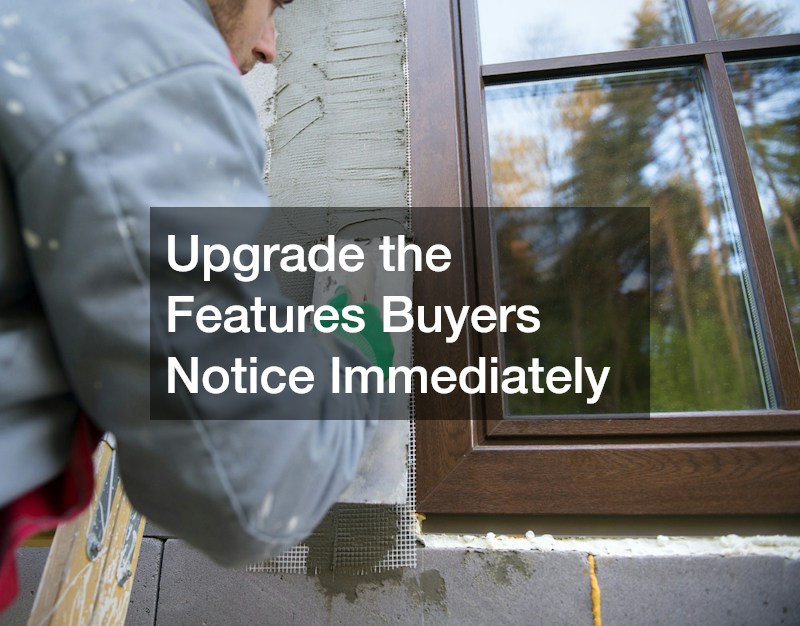
Windows are another detail that buyers pick up on almost instinctively, even if they can’t articulate exactly why a room feels drafty or dated. Old, single-pane windows not only detract from a home’s appearance but also raise concerns about energy efficiency, something increasingly important to today’s buyers who are mindful of utility costs. Investing in replacement windows can meaningfully improve both the interior comfort of the home and its curb appeal, since new windows tend to have cleaner lines and better proportions than older models.
Beyond the practical benefits, replacement windows also tend to photograph well, which matters more than ever in a market where most buyers browse listings online before ever scheduling an in-person tour. Bright, clean, well-sealed windows make rooms look larger and more inviting in photos, helping your listing stand out in a crowded search results page.
The perimeter of the property deserves equal attention. A fence that’s leaning, missing pickets, or visibly weathered can make a yard feel neglected, even if the rest of the landscaping is in good shape. For buyers with children or pets, fencing isn’t just an aesthetic concern but a practical one tied directly to safety and usability. Bringing in fence installers to repair damaged sections, replace an aging fence entirely, or even add fencing where none currently exists can make a noticeable difference in how buyers perceive the outdoor space. A secure, attractive fence signals that the property has been cared for as a whole, not just the parts visible from the street.
Handle Outdoor Hazards Before Showings Start
Landscaping issues are often the easiest and most affordable problems to fix, yet they’re frequently overlooked until the last minute. Overgrown trees, dead branches, or limbs hanging too close to the roofline can all raise safety concerns for buyers walking the property, and they can make even a well-maintained home look unkempt from the outside. Storm damage in particular can leave trees looking hazardous long after the storm itself has passed, and buyers are quick to notice anything that looks like it could fall or cause damage down the road.
Calling in a tree service ahead of listing photos and showings allows sellers to address these issues before they become a sticking point. This might mean trimming back overgrown branches, removing a dead or dying tree, or simply cleaning up storm debris that’s been sitting in the yard. Beyond the safety benefits, well-maintained trees and clear sightlines also make the property feel more open and spacious in both photos and in person, which can be especially valuable for smaller lots where every bit of visual space matters.
Many real estate professionals cite yard cleanup as one of the highest-return, lowest-cost improvements a seller can make. Unlike a full landscaping overhaul, basic tree maintenance and debris removal require relatively little investment but can significantly change a buyer’s first impression as they pull up to the home. It’s a detail that’s easy to underestimate, but one that experienced agents consistently recommend addressing before a home goes live on the market.
Know Which Bigger Projects Are Worth It

One of the most common questions sellers ask is whether it’s worth taking on a larger renovation before listing their home. The answer depends heavily on the scope of the project and how it compares to similar homes in the neighborhood. Kitchens and bathrooms tend to offer the strongest return among interior spaces, since these are the rooms buyers scrutinize most closely and often use to judge the overall condition of the home. That said, a full gut renovation isn’t always necessary or advisable, especially if the existing layout and finishes are simply dated rather than functionally outdated.
For any project involving structural changes, permits, or code compliance issues, it’s worth consulting a home remodeling contractor for a professional pre-listing assessment. A contractor can help identify which upgrades are likely to increase your sale price and which ones fall into the category of personal preference rather than universal appeal. This kind of guidance is particularly valuable for sellers who are unsure whether a mid-size project, like updating a bathroom vanity and fixtures versus a full remodel, makes financial sense given their timeline and budget.
Not every improvement needs to be a major undertaking. A more modest home renovation, such as refinishing hardwood floors, updating light fixtures, or swapping out dated cabinet hardware, can modernize a space without the cost or disruption of a larger project. These smaller updates often deliver a surprisingly strong return because they address the visual, surface-level details that buyers notice immediately, without requiring the time or expense of structural work. The general rule of thumb is to focus renovation dollars on projects that align with what similar homes in the area already offer, rather than upgrades that might price the home out of step with its neighborhood comps.
Prioritize and Budget Your Upgrades Strategically
With so many potential projects on the table, it’s easy for sellers to feel overwhelmed about where to start. A useful approach is to rank potential upgrades by the ratio of cost to expected return, tackling the projects that offer the biggest impact for the smallest investment first. Exterior cleanup, minor repairs, and cosmetic touch-ups typically fall into this category, while larger structural projects should only move forward if there’s a clear indication they’ll meaningfully affect the sale price or prevent a deal from falling through during inspection.
Scheduling a pre-listing home inspection is one of the smartest moves a seller can make before finalizing their improvement list. An inspection often reveals issues that aren’t visible during a casual walkthrough, giving sellers the chance to address problems on their own terms rather than reacting to a buyer’s inspection report during negotiations. This proactive approach can prevent last-minute price reductions and keep the closing process moving smoothly.
When it comes to budgeting, getting multiple quotes for any significant project is essential. Prices for the same job can vary considerably between providers, and comparing at least two or three estimates helps ensure you’re not overpaying or missing out on a better warranty or timeline. It’s also worth factoring in scheduling constraints early in the process. Projects like roofing or major exterior work often require more lead time than sellers expect, particularly during busy seasons, so starting the planning process well before your target listing date can help avoid unnecessary delays.
Stage and Present the Final Product

Once the physical improvements are complete, the final step is making sure the home is presented in the best possible light. This starts with the basics: decluttering every room, deep cleaning surfaces that don’t usually get much attention, and taking care of small details like fresh mulch in garden beds or updated light fixtures that might otherwise go unnoticed. These finishing touches help tie together all the larger improvements made throughout the process.
There’s a real psychological effect at play when buyers walk into a home that feels genuinely move-in ready. Clean, uncluttered spaces allow buyers to picture their own belongings in the home rather than being distracted by the current owner’s furniture or personal items. This emotional connection can translate directly into stronger offers, since buyers are often willing to pay a premium for a home that requires little to no additional work.
Finally, once the home is fully prepared, professional staging and photography can make a significant difference in how the property performs online. High-quality photos are often a buyer’s very first interaction with a listing, and they set expectations for everything that follows. Investing in this final step ensures that all the work put into improving the home’s condition is properly showcased from the very first click.
Bringing It All Together Before You List
Boosting a home’s value before selling doesn’t require an unlimited budget or a complete transformation of the property. It requires a thoughtful, prioritized approach that focuses attention and resources on the improvements buyers actually notice and care about. By starting with a clear-eyed assessment of the home’s current condition and working through updates in order of impact, sellers can maximize their return without unnecessary stress or overspending.
Every home is different, and the right combination of upgrades will vary based on the property’s age, condition, and local market expectations. Rather than guessing which projects are worth pursuing, it’s often best to consult with professionals who can offer an honest, experienced perspective on what will genuinely move the needle. Taking the time to get a thorough home assessment before listing can be the difference between a smooth, profitable sale and one filled with last-minute surprises.